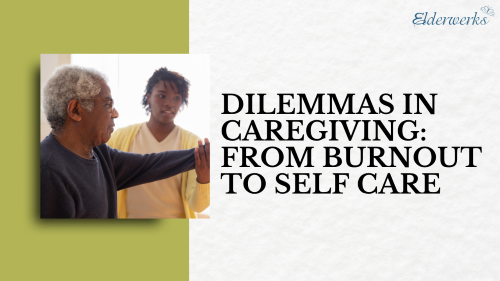
Caregiving is challenging, especially if you're new to the role. Nurse and Elderwerks Education Specialist, Arlene Schiff, discusses caregiver stress and how it not only affects you mentally and physically, but also affects your caregiving skills. She also shares techniques to de-stress and reinforces that it is okay to prioritize self care.
What is Caregiver Burnout?
Caregiver burnout is emotional, physical, and mental exhaustion that comes from trying to take on too much as a caregiver. Caregiving is a demanding and selfless job. It can drain your energy and make you feel like you don’t have the strength or resources you need to succeed. By prioritizing self-care, you reduce your risk of hitting burnout.
Burnout is more than feeling tired. Caregivers experiencing burnout might experience signs and symptoms of depression, withdrawal, helplessness, hopelessness, or other negative emotions. Burnout can also manifest in physical ways, such as fatigue, headaches, muscle tightness, digestive issues, or sleep disturbances.
What is Self-Care?
Self-care is the prioritization of your needs. It involves setting aside time for yourself and listening to your body when you need rest. The acts of self-care can look different for everyone, but should include eating nutritious meals, sleeping, hydrating, and exercising. Self-care should also include joyful activities and socialization to nourish your emotional and mental health.
Self-care is not frivolous or selfish. You are not a bad caregiver if you take an hour or two each day to do something you love. Taking care of your needs allows you to provide better care to those you love. If you’re not taking care of yourself, you can’t fully take care of others.
Helpful Resources
You don’t have to navigate your caregiver journey alone. Check out these resources for information and guidance on living as a family caregiver.
How Elderwerks Can Help
Elderwerks is a not-for-profit 501c3 organization that provides seniors and families with information, referrals, and guidance for senior living, home care, and support services. Contact our office by calling 855-462-0100 to connect with one of our senior care advisors who can help you find the resources you need.
If you’re a family caregiver in need of support, consider joining one of our monthly caregiver support groups. Our virtual support groups are a welcoming, judgment-free space where caregivers can connect with others who understand the emotional and practical challenges of caregiving.
Interested in watching an educational event live? Check out our full calendar of upcoming events or sign up for our newsletter.