Comprehensive Home Safety Guide: Key Strategies for Fall Prevention
Implementing proactive fall prevention measures can significantly lower the risk of injury and ensure a safe, accessible home environment. While accidental falls are common, they are largely preventable by optimizing your living space, enhancing visibility, and utilizing proper assistive tools.
Flooring and Walkway Management
- Eliminate loose rugs: Remove all scatter and throw rugs that shift easily underfoot.
- Secure necessary carpeting: Apply double-sided heavy-duty tape or rubberized underlays to stabilize larger carpets.
- Select low-pile flooring: Choose smooth, low-pile carpeting rather than thick, plush variations to prevent catching your feet while walking.
- Clear all debris: Remove everyday items like shoes, clothes, books, and pet toys from high-traffic zones and stairwells.
Furniture and Layout Optimization
- Create open pathways: Arrange furniture to leave wide, clear corridors for individuals utilizing walkers or wheelchairs.
- Choose supportive seating: Select chairs and sofas equipped with sturdy armrests and firm cushions to make sitting and standing easier.
- Manage utility cords: Use cordless communication devices and bundle electrical cords safely behind furniture using zip ties.
- Keep essentials reachable: Store frequently used household items on lower, waist-level shelves to minimize the dangerous use of step stools and ladders.
Environmental Lighting and Bathroom Safety
- Enhance room visibility: Install motion-activated lighting or easily accessible switches at every room entry point.
- Illuminate floor borders: Add low-profile solar or LED baseboard nightlights along walkways to safely guide nocturnal movement.
- Secure wet zones: Place affordable non-slip mats or high-grip adhesive treads directly onto the bathtub and shower floors.
- Install support hardware: Mount anchored grab bars adjacent to the toilet and inside bathing enclosures.
Personal Mobility and Footwear
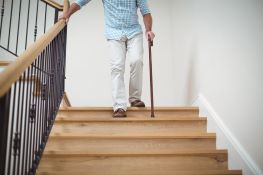
- Utilize assistive devices: Consistently use prescribed stability aids, such as canes or walkers, during daily routines.
- Wear high-traction footwear: Invest in supportive shoes with slip-resistant rubber soles, particularly when navigating wet or uneven outdoor terrain.